Can You Walk Barefoot on a Treadmill
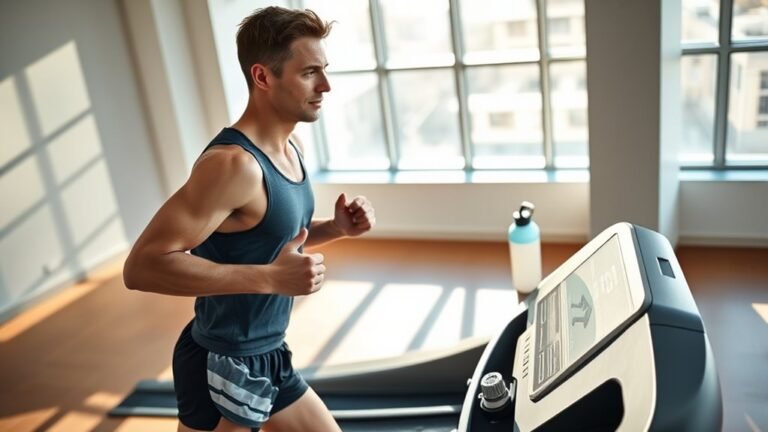
You can walk barefoot on a treadmill, but it’s important to start slowly and prepare your feet properly to avoid slips, burns, or irritation. Barefoot treadmill walking can strengthen foot muscles and improve balance, but you need to monitor hygiene, watch out for debris, and use the machine’s safety features.
Consider your foot health and any existing issues before trying it, and always prioritize caution. To understand how barefoot walking affects your posture and foot strength, keep exploring expert guidance.
Key Takeaways
- Walking barefoot on a treadmill can strengthen foot muscles and improve balance but requires careful preparation and low speeds initially.
- Barefoot walking risks include friction burns, slipping, and skin irritation from the moving belt and tread surface.
- Maintaining foot hygiene and inspecting feet for cuts or infections before barefoot treadmill use is essential to prevent infections.
- Minimalist shoes offer a safer alternative, providing natural foot movement with added protection and grip on the treadmill.
- Gradual, short barefoot sessions with proper warming up help build foot tolerance while minimizing injury risk on a treadmill.
Is It Safe to Walk Barefoot on a Treadmill?
How safe is it to walk barefoot on a treadmill? While barefoot benefits are well-documented for natural foot movement, treadmill safety requires extra caution.
Walking barefoot exposes your feet to friction and potential burns from the moving belt, especially at higher speeds. You also risk slipping since treadmills aren’t designed for barefoot traction.
To maintain treadmill safety, you should start at low speeds and verify the belt is clean and free of debris. If you choose to walk barefoot, monitor your feet closely for any signs of irritation or injury.
What Benefits Does Barefoot Treadmill Walking Offer?
Walking barefoot on a treadmill can strengthen your foot muscles by engaging them more actively than when wearing shoes.
It also helps improve your balance and stability by allowing your feet to make better contact with the surface.
Additionally, this practice promotes a more natural gait, encouraging proper foot alignment and movement.
Improved Foot Muscle Strength
Strengthening your foot muscles is one of the key benefits barefoot treadmill walking provides.
When you walk without shoes, your foot arch and toe flexibility get more natural engagement, helping to build muscle strength that shoes often restrict.
This improved muscle tone supports foot health and function.
Here’s how barefoot treadmill walking helps:
- Activates intrinsic foot muscles, enhancing foot arch support.
- Increases toe flexibility, promoting better movement and grip.
- Encourages balanced muscle development, reducing strain on other joints.
- Improves endurance in foot muscles, aiding overall foot stability.
Enhanced Balance And Stability
Building stronger foot muscles naturally leads to better balance and stability when you’re barefoot on a treadmill. This increased muscle engagement enhances your ability to perform balance exercises more effectively, as your feet provide a stronger foundation.
When you walk barefoot, your sensory feedback improves, allowing your nervous system to respond quickly to shifts in terrain or pace. Incorporating barefoot treadmill walking into your routine acts as practical stability training, improving proprioception and coordination.
You’ll notice that your posture and alignment become more controlled, reducing the risk of falls or injuries. By challenging your balance in this way, you develop a heightened sense of body awareness that translates to everyday movements.
Natural Gait Promotion
Although it might feel unfamiliar at first, barefoot treadmill walking encourages your feet to move more naturally, promoting a gait that aligns with your body’s biomechanics.
This practice enhances your natural gait by allowing your foot muscles and joints to function without the constraints of shoes. You’ll notice improvements in how your foot strikes the treadmill, which can reduce impact forces and improve efficiency.
Here are four key benefits:
- Strengthens intrinsic foot muscles, supporting proper foot biomechanics.
- Encourages midfoot or forefoot striking, which promotes a natural gait pattern.
- Improves proprioception, helping you better sense foot placement.
- Reduces reliance on cushioned footwear, allowing your body to adapt naturally.
What Risks Should You Watch for When Walking Barefoot?
What should you be cautious of when walking barefoot on a treadmill? First, consider foot hygiene: without shoes, your feet are exposed to bacteria and fungi that may linger on the treadmill belt.
Regularly clean your feet before and after workouts to reduce infection risk.
Also, guarantee proper treadmill maintenance; debris or worn-out belts can cause slips or skin abrasions when barefoot.
Pay attention to the treadmill’s speed and surface condition, as sudden changes can lead to falls or cuts.
Additionally, barefoot walking can increase pressure on sensitive areas, so monitor for discomfort or blisters.
How Does Barefoot Walking Affect Your Foot Muscles and Posture?
Beyond hygiene and safety, walking barefoot on a treadmill influences how your foot muscles engage and how your body aligns. When you ditch shoes, you naturally increase foot muscle activation, which can strengthen your arches and improve balance.
Walking barefoot on a treadmill boosts foot muscle engagement, strengthens arches, and enhances overall balance and alignment.
This barefoot approach also encourages better posture alignment by promoting a more natural gait and foot strike pattern.
Here’s what happens when you walk barefoot on a treadmill:
- Enhanced foot muscle activation improves stability and support.
- Your posture alignment adjusts to a more upright, balanced stance.
- Reduced reliance on cushioning forces your body to distribute weight efficiently.
- Natural foot mechanics promote better joint alignment from feet to hips.
Can Barefoot Walking Damage Your Treadmill?
Walking barefoot on a treadmill generally won’t harm the machine, but there are a few factors to take into account to keep your equipment in good condition.
Your bare feet can introduce sweat and oils directly onto the belt, so practicing good foot hygiene is essential to prevent buildup that might affect treadmill performance.
While barefoot walking reduces abrasive wear caused by shoes, debris like dirt and dead skin can accumulate, potentially impacting treadmill maintenance.
Regularly cleaning the belt and deck will help you avoid slippage and prolong the treadmill’s lifespan.
Additionally, monitor the belt’s tension and alignment since barefoot walking slightly changes friction patterns.
When Should You Avoid Walking Barefoot on a Treadmill?
Although barefoot treadmill walking offers several benefits, there are specific situations when you should avoid it to protect both yourself and your equipment.
Prioritize your safety and foot hygiene by recognizing these conditions:
- If your feet have cuts, sores, or infections, to prevent worsening and maintain foot hygiene.
- When the treadmill surface is dirty or wet, increasing the risk of slipping and blisters.
- If you’re prone to blisters or skin irritation, as barefoot walking can increase friction without proper blister prevention.
- When the treadmill belt feels excessively hot, which can cause burns or discomfort.
How Can You Prepare Your Feet for Barefoot Treadmill Walking?
To guarantee a safe and comfortable experience when walking barefoot on a treadmill, you need to prepare your feet properly.
Begin with thorough foot care: clean your feet and inspect for any cuts, blisters, or infections that might worsen during exercise.
Moisturize to keep your skin supple but avoid slippery lotions that reduce grip.
Next, perform a warm up off the treadmill to activate your foot muscles and improve circulation; simple stretches and toe wiggles work well.
Gradually increase your barefoot walking time to build tolerance and strengthen the foot’s natural support structures.
What Safety Tips Should You Follow When Walking Barefoot?
Since barefoot treadmill walking places unique demands on your feet and balance, following key safety tips is vital to prevent injury. You want to protect your feet and guarantee a safe workout environment.
Barefoot treadmill walking requires careful attention to safety to protect your feet and maintain balance.
- Keep your feet clean and dry before and after walking to maintain proper foot hygiene and reduce infection risk.
- Inspect the treadmill regularly for debris or wear; proper treadmill maintenance prevents slips or mechanical issues.
- Start at a slow speed to allow your feet and balance to adjust, avoiding sudden movements that might cause falls.
- Use the treadmill’s safety features, like the emergency stop clip, to quickly halt the machine if needed.
Are There Better Footwear Alternatives to Barefoot Treadmill Walking?
How can you protect your feet while still enjoying the benefits of treadmill walking? Exploring footwear options is key. Instead of walking completely barefoot, consider minimalist shoes.
These shoes offer a barefoot feel with added protection, cushioning, and grip, reducing risks of cuts or abrasions. Minimalist shoes allow your feet to move naturally, promoting balance and strengthening foot muscles without sacrificing safety.
Other footwear options include lightweight, flexible sneakers designed for indoor use, which provide support and reduce impact on joints.
Choosing the right footwear depends on your comfort and foot health, but minimalist shoes strike an excellent balance between natural movement and protection.
How Do You Decide if Barefoot Treadmill Walking Fits Your Routine?
Choosing the right footwear is just one part of deciding if barefoot treadmill walking suits your routine.
Selecting appropriate footwear is only one factor when considering barefoot treadmill walking for your fitness routine.
You need to evaluate your workout routines and personal preferences carefully. Consider these points to help you decide:
- Assess your footwear preferences. Do you prioritize comfort, support, or natural foot movement?
- Review your current workout routines. Would barefoot walking complement or disrupt your regimen?
- Check for any foot issues or injuries that might require additional support.
- Experiment cautiously. Start with short sessions to observe how your feet and body respond.
Frequently Asked Questions
Can Barefoot Treadmill Walking Improve Running Technique?
Yes, barefoot treadmill walking can improve your running form by enhancing foot mechanics. It strengthens muscles, promotes natural foot movement, and encourages a more efficient stride.
This helps you develop better technique over time with consistent practice.
How Does Barefoot Treadmill Walking Compare to Barefoot Outdoor Walking?
You’ll find barefoot treadmill walking offers consistent foot mechanics, while barefoot outdoor walking challenges your feet with varied outdoor terrain. Both improve strength, but outdoor walking better adapts your foot’s natural responses to uneven surfaces.
What Types of Treadmills Are Best for Barefoot Walking?
You’ll want treadmills with a soft, cushioned surface that supports natural foot mechanics, reducing impact and enhancing comfort. Look for models designed with shock absorption and non-slip belts to safely accommodate barefoot walking sessions.
Does Barefoot Treadmill Walking Help With Balance Training?
Yes, barefoot treadmill walking offers balance benefits by enhancing proprioceptive training. You’ll engage your foot muscles more deeply, improving coordination and stability.
This helps you develop better balance and control during everyday movements and workouts.
How Long Should Beginners Walk Barefoot on a Treadmill Initially?
Start with an initial duration of 5 to 10 minutes to assess your walking comfort barefoot on the treadmill. Gradually increase time as your feet adapt, ensuring you avoid discomfort or strain during your sessions.
Conclusion
Walking barefoot on a treadmill can offer unique benefits like improved foot strength and posture. However, it’s not without risks—think of it as maneuvering a horse-drawn carriage in the age of electric cars.
You’ll need to prepare your feet carefully and follow safety tips to avoid injury or damage. Pay attention to the treadmill’s surface and start slowly to get accustomed to the feel.
Ultimately, weigh the pros and cons. Consider if walking barefoot on a treadmill fits your routine or if supportive footwear better suits your needs.