How Much Is a Mile on a Treadmill
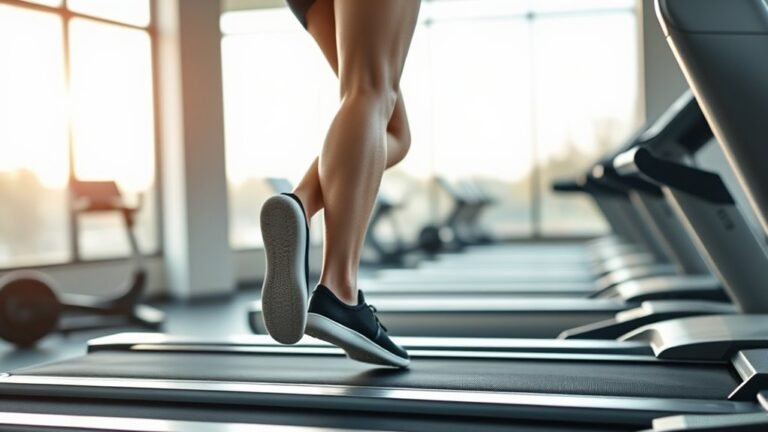
One mile on a treadmill is exactly one mile in distance, just like outside—you’ll cover the same ground regardless of where you run. Understanding how much a mile on a treadmill equates to helps you track your fitness progress accurately. However, treadmills use sensors and belt rotations to measure distance, while outdoor runs rely on GPS.
The effort can feel different since treadmills lack outdoor wind resistance and natural terrain changes. Adjusting incline or speed can help match outdoor conditions, making your workout challenging and effective.
Keep exploring to uncover how to get the most from your treadmill miles. This knowledge ensures you maximize your training and stay motivated.
Key Takeaways
- A mile on a treadmill equals 1,609 meters, the standard distance regardless of indoor or outdoor running.
- Treadmill distance is calculated by belt rotations and speed settings, assuming proper calibration.
- Calibration errors can cause treadmill miles to slightly overestimate or underestimate actual distance.
- Setting treadmill incline to 1-2% better simulates outdoor running effort for a mile.
- Speed adjustments on the treadmill directly affect how long it takes to complete a mile.
Does a Mile on a Treadmill Feel the Same as Running Outside?
How does running a mile on a treadmill compare to running the same distance outside?
The treadmill experience offers controlled conditions: consistent pace, no wind resistance, and a flat surface, making it predictable and efficient.
Treadmills provide steady pace, no wind resistance, and a flat surface for a predictable, efficient run.
However, the outdoor environment challenges you with variable terrain, weather, and natural scenery, which can boost your motivation and engage different muscles.
On a treadmill, you might find it easier to maintain a steady speed, but the lack of natural stimuli may make the mile feel less dynamic.
Outside, you adapt to changes, which can enhance your overall running skills and endurance.
Both settings provide valuable workouts, but recognizing these differences helps you optimize your training and enjoy each mile, no matter where you run.
How Treadmills Measure Distance vs. Outdoor Running
Although running outdoors relies on GPS and natural pacing to measure distance, treadmills use internal sensors and belt rotations to calculate how far you’ve gone. This method depends heavily on treadmill calibration to guarantee accurate distance measurement.
Unlike GPS, which can be affected by signal loss, a treadmill’s data comes from mechanical precision, but improper calibration can skew results. Knowing these differences helps you trust your treadmill workouts and adjust your pace accordingly.
| Aspect | Outdoor Running |
|---|---|
| Measurement Method | GPS and natural pacing |
| Accuracy Influences | Signal strength, terrain |
| Distance Measurement | Based on satellite data |
Understanding these distinctions empowers you to optimize every mile you run, whether inside or out.
How Speed and Incline Affect Your Treadmill Mile
When you adjust the speed or incline on your treadmill, you directly influence the effort required to complete each mile.
Speed variations impact how fast you cover distance, making your workout easier or more challenging. Increasing your pace burns more calories and builds endurance, while slowing down allows recovery.
Incline settings simulate uphill running, intensifying muscle engagement and cardiovascular demand without increasing speed. Even a slight incline raises the difficulty level, helping you build strength and stamina.
Incline adds uphill challenge, boosting muscle work and heart rate without needing to speed up.
By combining speed variations with incline settings, you tailor each mile to match your fitness goals, whether it’s improving speed, endurance, or strength.
Understanding how these factors affect your treadmill mile empowers you to optimize workouts and stay motivated on your fitness journey.
Why Running a Mile on a Treadmill Feels Different Physically
When you run a mile on a treadmill, your muscles engage differently compared to outdoor running, especially since the belt helps propel your legs.
You might notice your perception of effort changes, sometimes feeling easier or harder depending on your pace and incline.
Understanding these physical differences can help you adjust your training for better results.
Impact on Muscle Engagement
Two key factors shape how your muscles work during a mile on a treadmill compared to running outside.
First, muscle activation changes because the treadmill belt assists your leg’s backward motion, reducing the effort your muscles use to propel you forward. This can lead to less engagement of your hip flexors and hamstrings than outdoor running.
Second, joint stability plays a different role on a treadmill. Since the surface is consistent and predictable, your muscles don’t need to stabilize your joints as much as they do on uneven outdoor terrain.
Understanding these differences helps you tailor your workouts to maintain balanced muscle strength and joint health.
Perception of Effort
Although running a mile on a treadmill may seem easier than running outside, your body perceives the effort differently due to factors like lack of wind resistance and a consistent, controlled pace.
You might notice that your perceived exertion feels lower even if your speed matches outdoor running. This happens because the treadmill belt assists your leg turnover, reducing the effort needed to propel forward.
However, treadmill running demands greater mental focus to maintain your pace without natural environmental cues. You won’t feel the subtle variations of terrain or wind pushing against you, which can trick your brain into underestimating effort.
Understanding this difference helps you adjust your workout intensity, ensuring you challenge yourself effectively and achieve your fitness goals no matter where you run.
How Accurate Is Your Treadmill Mileage Tracking?
Because treadmill mileage tracking relies on internal sensors and preset calculations, it may not always reflect your exact distance traveled. You might notice slight differences between the treadmill’s displayed mileage and your actual effort.
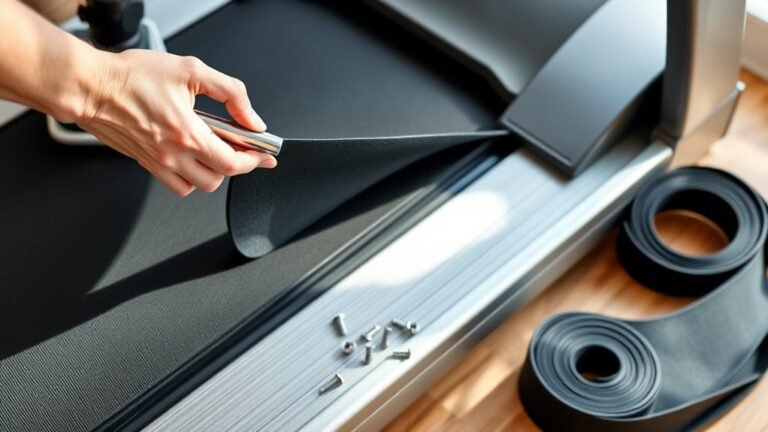
This happens because factors like treadmill calibration and belt wear can affect distance accuracy. If you want reliable readings, regularly check your treadmill’s calibration settings and update them if possible.
Remember, even small discrepancies can add up over time, impacting your training goals. By understanding these limitations, you can better interpret your treadmill mileage and stay motivated to reach your fitness targets.
Small errors in treadmill mileage can affect progress—understanding this helps maintain motivation and accurate training goals.
Embrace the data as a helpful guide rather than an absolute measure, and use it to push yourself confidently toward your next milestone.
Tips to Make Your Treadmill Mile Feel More Like Outdoor Running
Understanding the quirks of treadmill mileage tracking can help you focus on making your run feel more natural and engaging.
To make treadmill workouts feel closer to outdoor running, start by adjusting the incline between 1-2%. This small change simulates outdoor resistance and better matches your natural stride.
Vary your speed throughout the workout to mimic outdoor terrain changes, breaking monotony and improving endurance. Incorporate intervals or hill simulations to challenge your body like outdoor trails do.
Use a fan or place the treadmill near a window for fresh air and visual stimulation, enhancing the outdoor simulation experience.
Finally, focus on your running form and breathing to stay connected with your body.
These tips will make treadmill miles feel less mechanical and more like genuine outdoor runs.
Frequently Asked Questions
Can Treadmill Mileage Help With Weight Loss Goals?
Yes, treadmill mileage boosts your caloric burn, aiding weight management effectively. By consistently walking or running, you burn calories, improve fitness, and stay motivated, making your weight loss goals more achievable and sustainable over time.
Is Walking a Mile on a Treadmill the Same as Running?
Imagine Sarah walking a mile at 3 mph, then running it at 6 mph. You’ll notice walking speed burns fewer calories than running intensity.
Both count as a mile, but running challenges your heart more. Keep pushing!
How Do Treadmill Belts Affect Running Form?
Treadmill belts can alter your running mechanics by providing a consistent surface, which might reduce natural foot strike variability.
To maintain proper form, focus on controlled strides and avoid leaning forward, ensuring efficient and safe running.
What Are the Health Benefits of Consistent Treadmill Use?
You might think walking nowhere on a treadmill does nothing, but it boosts your cardio endurance and muscle strength surprisingly well. Consistent use strengthens your heart and muscles, making you fitter, healthier, and ready for real-world challenges.
Can Treadmill Workouts Improve Race Times?
Yes, treadmill workouts can improve your race times by helping you master treadmill pacing and control. They provide consistent race preparation, allowing you to build endurance, speed, and mental toughness for better performance on race day.
Conclusion
Running a mile on a treadmill might not feel exactly like hitting the pavement, but it’s still a powerful step toward your fitness goals. Remember, the treadmill is your trusty sidekick—measuring distance with its own tech and challenges.
By adjusting speed and incline, you can mimic outdoor conditions and keep things fresh. So lace up, embrace the difference, and let each treadmill mile be a building block on your road to success.
Keep moving forward, knowing that understanding how much is a mile on a treadmill helps you track your progress accurately and stay motivated.