How Much Is a Treadmill
You can expect treadmill prices to range widely based on motor power, build quality, and features. When considering how much is a treadmill, it’s important to note that basic models cost under $500 but have limited speeds, smaller belts, and minimal cushioning.
Mid-range treadmills fall between $500 and $1,200, offering stronger motors, larger running surfaces, and better consoles. High-end machines exceeding $1,200 incorporate advanced tech, durable materials, and enhanced safety features.
Understanding these factors helps you choose a treadmill that fits your budget and fitness needs; more details follow.
Key Takeaways
- Treadmill prices vary widely, typically ranging from under $500 to over $1,200 based on features and build quality.
- Budget treadmills under $500 offer basic functions with lower motor power and smaller running surfaces.
- Mid-range models between $500 and $1,200 provide stronger motors, larger belts, and advanced consoles.
- High-end treadmills over $1,200 feature premium materials, cushioning, interactive screens, and extensive customization.
- Additional costs include maintenance, belt replacements, and optional accessories like mats and heart rate monitors.
What Makes Treadmill Prices Different?
Although treadmills may appear similar at first glance, several key factors influence their price differences. When you conduct a price comparison among treadmill brands, you’ll notice variations based on motor power, build quality, and included features.
Price differences in treadmills stem from motor power, build quality, and feature variations across brands.
Higher-end models typically offer stronger motors, measured in continuous horsepower, enhancing durability and performance for intense workouts. The belt size and cushioning technology also impact cost, affecting comfort and joint protection.
Advanced consoles with touchscreens, workout programs, and connectivity add to the price. Brand reputation plays a role; established manufacturers often charge more due to reliability and customer support.
Additionally, design elements like folding capability and frame materials influence pricing. Understanding these technical specifications helps you make informed decisions when comparing treadmill options across different brands.
Budget Treadmills Under $500: What to Expect
When choosing a treadmill under $500, you’ll encounter models that prioritize basic functionality over advanced features or high-powered motors.
These budget treadmills typically offer essential features such as simplified control panels, lower maximum speed settings (usually up to 6 mph), and minimal incline options.
The motor power generally ranges around 1.5 to 2.0 continuous horsepower, suitable for walking or light jogging rather than intense running.
Performance expectations should be realistic; expect limited cushioning, smaller running surfaces, and less durable frames compared to higher-priced models.
Safety features may be basic, often lacking advanced emergency stop mechanisms.
While these treadmills serve well for beginners or casual users, you’ll need to compromise on long-term durability and advanced programming options that enhance workout versatility.
Mid-Range Treadmills ($500–$1,200): Features Explained
Since mid-range treadmills fall between $500 and $1,200, you’ll find models that balance performance and features more effectively than budget options.
Mid-range features typically include stronger motors, improved cushioning, and more advanced console displays. When evaluating treadmill brands in this price range, pay attention to build quality and warranty terms.
Here are three key mid-range features you should expect:
- Motor Power: Usually 2.5 to 3.5 CHP, supporting consistent speeds up to 10-12 mph.
- Running Surface: Larger belts, often around 20” x 55”, providing more comfort and stability.
- Technology: LCD or touchscreen consoles with built-in workout programs, heart rate monitoring, and Bluetooth connectivity.
These elements guarantee a reliable, versatile treadmill suited for regular home workouts without premium pricing.
High-End Treadmills Over $1,200: Advanced Tech and Durability
If you’re ready to invest in a treadmill over $1,200, expect advanced technology and superior durability designed for intensive use.
These high-end treadmills incorporate high tech features such as interactive touchscreens, integrated workout apps, and real-time performance tracking.
High-end treadmills feature interactive touchscreens, integrated workout apps, and real-time performance tracking for an enhanced exercise experience.
You’ll find enhanced cushioning systems that reduce joint impact and powerful motors supporting sustained speeds and inclines.
Premium materials like aircraft-grade aluminum frames and reinforced belts guarantee structural integrity and long-term reliability.
Additionally, these models often include advanced safety mechanisms and customizable settings tailored to your fitness levels.
This combination of cutting-edge technology and robust construction delivers a precise, efficient, and comfortable workout experience, justifying the higher price point for serious users seeking long-lasting performance.
Choosing the Right Treadmill for Your Budget and Goals
High-end treadmills offer impressive features and durability, but not every user requires such advanced specifications.
When choosing the right treadmill for your budget and goals, consider these factors:
- Treadmill Types: Manual treadmills suit budget-conscious users focused on walking, while motorized treadmills better serve runners with varied speed and incline needs.
- Budget Considerations: Define your spending limit, balancing initial cost against long-term value, including warranty and maintenance.
- Fitness Goals: Match treadmill features such as motor power, cushioning, and program variety to your exercise intensity and frequency.
Extra Treadmill Costs to Know Before Buying
You’ll need to factor in ongoing maintenance and potential repair costs to keep your treadmill functioning effectively.
Additionally, accessories like safety keys, lubrication kits, and specialized mats can add to your initial investment.
Understanding these extras guarantees you budget accurately beyond the treadmill’s purchase price.
Maintenance And Repair
Although purchasing a treadmill involves an initial investment, you should also factor in ongoing maintenance and repair costs to guarantee peak performance and longevity.
Proper treadmill upkeep reduces repair frequency and extends the equipment’s lifespan.
To manage these costs effectively, consider the following:
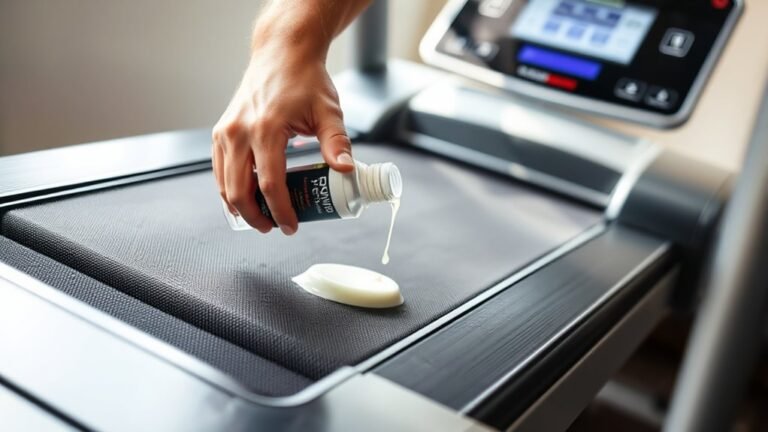
- Routine Lubrication and Cleaning: Regularly lubricate the belt and clean dust accumulation to prevent motor strain and component wear.
- Belt and Deck Inspection: Monitor belt tension and deck condition; replacing worn belts or decks can cost between $100-$300.
- Motor and Electronics Repair: Electrical or motor failures, though less frequent, can be costly, often requiring professional servicing.
Accessories And Add-Ons
When considering a treadmill purchase, factoring in accessories and add-ons is essential since they can greatly impact the total cost. Treadmill mats, for example, are often necessary to protect your flooring and reduce noise; these mats typically range from $30 to $100 depending on size and material.
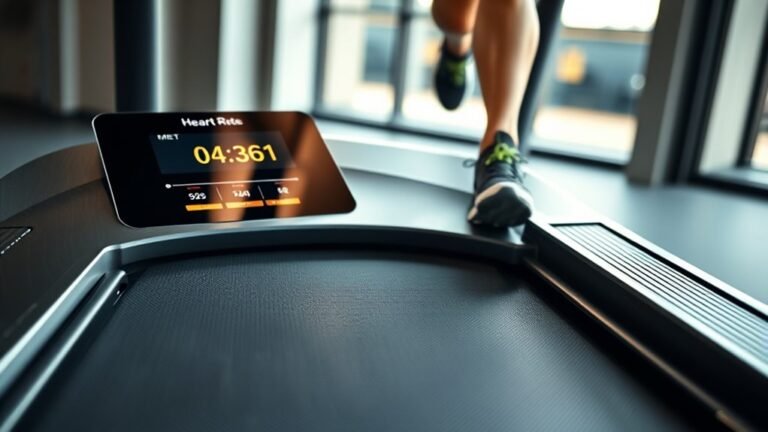
Additionally, heart rate monitors can enhance your workout by providing real-time biometric data, with prices varying from $50 to over $200 for advanced models integrated with treadmill consoles.
Other common add-ons include wireless speakers, tablet holders, and extended warranties, each adding incremental costs.
Top Places to Find Treadmill Deals and Warranties
Since purchasing a treadmill represents a significant investment, identifying reliable sources that offer competitive deals and thorough warranties is crucial.
You want to focus on treadmill retailers known for transparent pricing and robust warranty options.
Here are three top places to evaluate:
- Specialized Fitness Stores: These retailers provide expert advice, often bundling treadmill purchases with extensive warranty packages, including motor and frame coverage.
- Online Marketplaces: Platforms like Amazon or eBay offer competitive pricing and user reviews. Check warranty details carefully, as coverage may vary by seller.
- Manufacturer Websites: Buying directly ensures access to full warranty options, including extended plans and service support tailored to the treadmill model.
Frequently Asked Questions
How Much Space Does a Treadmill Typically Require?
You’ll need about 6 to 7 feet in length and 2.5 to 3 feet in width for typical treadmill dimensions.
For effective space planning, guarantee additional clearance around the equipment for safety and accessibility.
Are Treadmills Suitable for Outdoor Use?
Treadmills generally lack outdoor durability and weather resistance, so you shouldn’t use them outside. Exposure to moisture, UV rays, and temperature changes can damage components and void warranties, reducing performance and lifespan considerably.
Can I Use a Treadmill Without Electricity?
You can use manual treadmills, which are non-electric options, without electricity. These devices rely on your motion, offering up to 15% more calorie burn compared to motorized models, making them energy-efficient and effective for workouts.
How Often Should Treadmill Belts Be Replaced?
You should replace treadmill belts every 3 to 5 years, depending on treadmill maintenance and belt longevity. Regular lubrication and cleaning extend lifespan, but visible wear or slipping signals it’s time to install a new belt promptly.
Do Treadmills Have Weight Limits?
Treadmills typically support weight capacities between 200-350 pounds, depending on treadmill materials like steel frames or aluminum decks. Exceeding this can compromise performance and safety, so always check your model’s weight limit before use.
Conclusion
Choosing the right treadmill often coincides with understanding how price reflects features and durability. If you’re aiming for basic workouts, budget models under $500 might suffice, but mid-range options offer enhanced tech without breaking the bank.
Curiously, those investing over $1,200 often find their machines last longer and deliver smoother performance. Keep in mind, extra costs like maintenance and warranties can add up, so factor them in to make a well-informed purchase aligned with your fitness goals.
When considering how much is a treadmill, remember that price often correlates with quality and longevity, making it essential to balance features with your budget for the best value.